
The Anatomy of a Blockbuster: Why 'Committee Kurrollu' is a Screenwriting Case Study

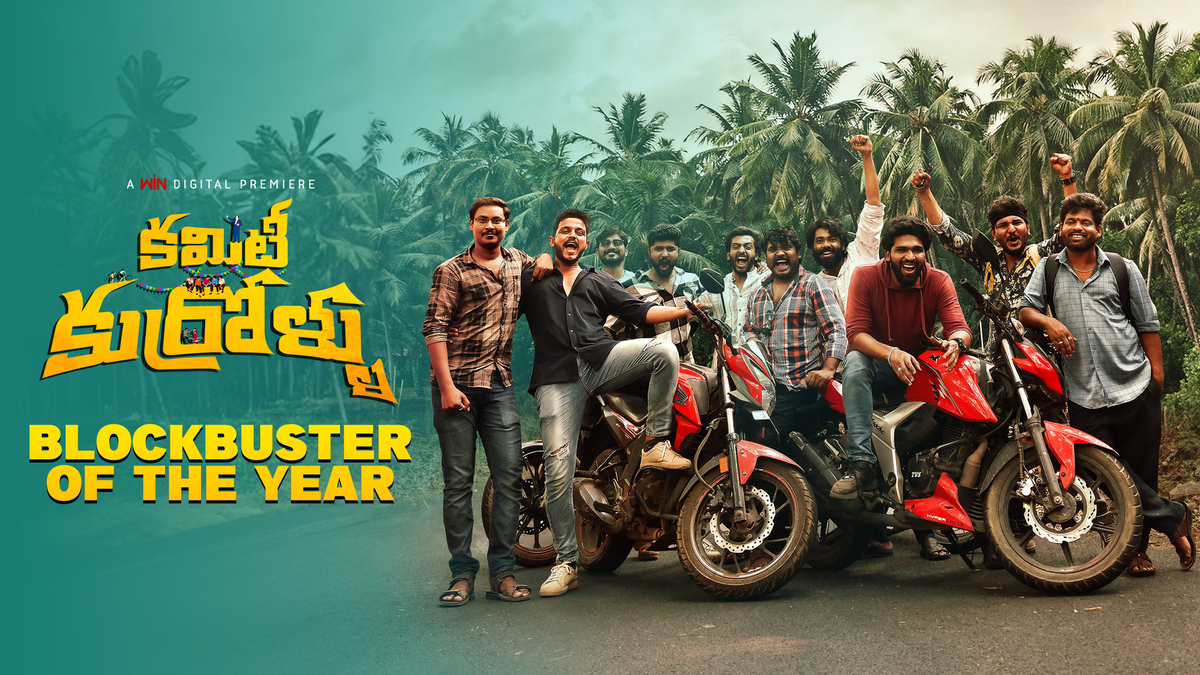
In film school, they teach you a basic rule: The Protagonist Hierarchy. You have one Hero. Maybe a Buddy. A Love Interest. And a Villain. If you have too many main characters, the audience gets confused. They don't know who to root for. The script becomes unwieldy.
On August 9, 2024, Committee Kurrollu set that rulebook aside.
As a filmmaker, I found myself studying this one closely. What Director Yadhu Vamsi and producer Niharika Konidela attempted was genuinely unconventional: an ensemble drama with 11 debutant leads, no star power, and a budget of ₹9 crore in an industry where opening weekends are typically driven by familiar faces. The film went on to gross ₹18.5 crore theatrically and ₹24.5 crore in total. Here's an examination of why it connected with audiences.
1. The "Math" of 11 Characters
Writing for one hero is manageable. Two leads require balancing. But writing for 11 debutant heroes is a structural challenge that most screenwriters would think twice about.
The practical questions are immediate: How do you give 11 people distinct arcs? How do you ensure the audience remembers their names and motivations? Most ensemble films still have a clear protagonist—The Avengers centers on Iron Man, Ocean's Eleven on Danny Ocean. Committee Kurrollu takes a different approach.
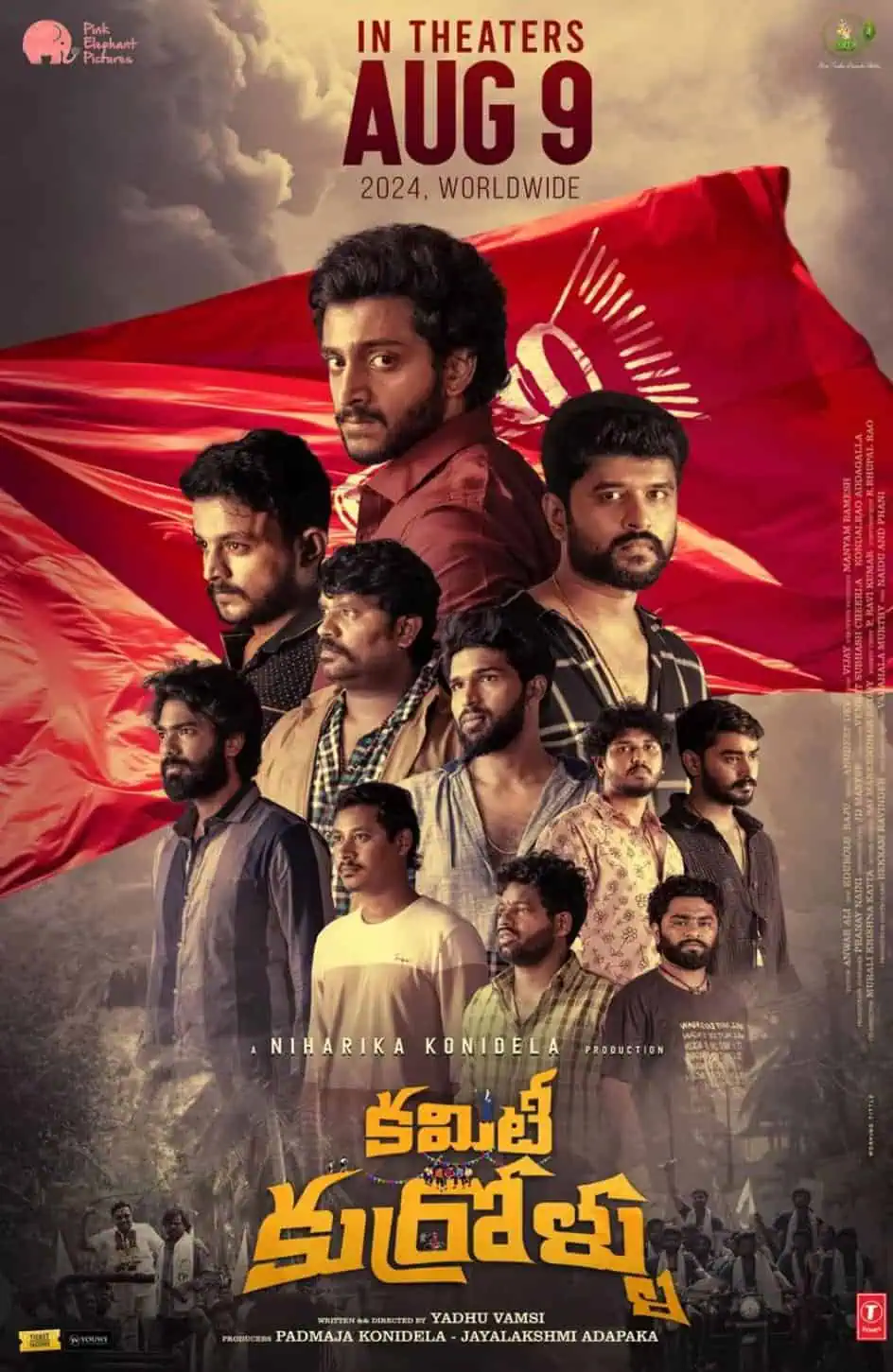
The script's solution is archetypal casting. Instead of 11 interchangeable friends, each character occupies a specific, recognizable slot. Shiva (Sandeep Saroj) is the peacemaker who holds the group together. Subbu (Trinadh Varma) is the intense one whose ego drives the central conflict. Surya (Yaswanth Pendyala) is the romantic innocent. William (Eshwar Rachiraju) provides comic relief. Peddodu (Prasad Behara) serves as the emotional anchor.
This approach has precedent in Telugu cinema. Sekhar Kammula's Happy Days (2007) launched careers—Varun Sandesh, Nikhil Siddharth, Tamannaah Bhatia—through an ensemble of newcomers depicting college life. Venkatesh Maha's C/o Kancharapalem (2018) used over 80 non-actors from a single Visakhapatnam neighborhood. Both films succeeded by treating the group as a collective protagonist rather than forcing a single lead.
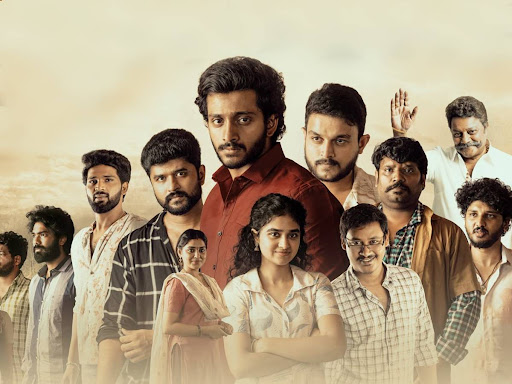
Committee Kurrollu follows this template while increasing the scale. By showing the characters as children first, teenagers second, and adults third, the film introduces them as a single unit—"The Committee Kurrollu," the guys who organize village festivals and settle disputes. This allows audiences to absorb 11 personalities gradually rather than all at once.
2. The Three-Timeline Structure
The film spans three periods: 1998, 2011, and 2023. This structure serves a specific narrative purpose.
1998 establishes the bond. We see the boys as children in Purushothampalle, a West Godavari village, before caste and class have entered their awareness.
2011 introduces the conflict. The boys are young men now. One doesn't get a college seat despite good marks because he lacks reservation. Caste-based differentiation emerges. A confrontation during the village "Jathara" fractures the group.
2023 brings the resolution. The characters are married adults carrying 12 years of distance. The next Jathara approaches, and with it, the possibility of reconciliation.
The 12-year Jathara (village festival) serves as the structural anchor—a real tradition that director Yadhu Vamsi incorporated from his own experiences growing up in the region. This gives the time jumps a concrete visual and emotional marker rather than arbitrary transitions.
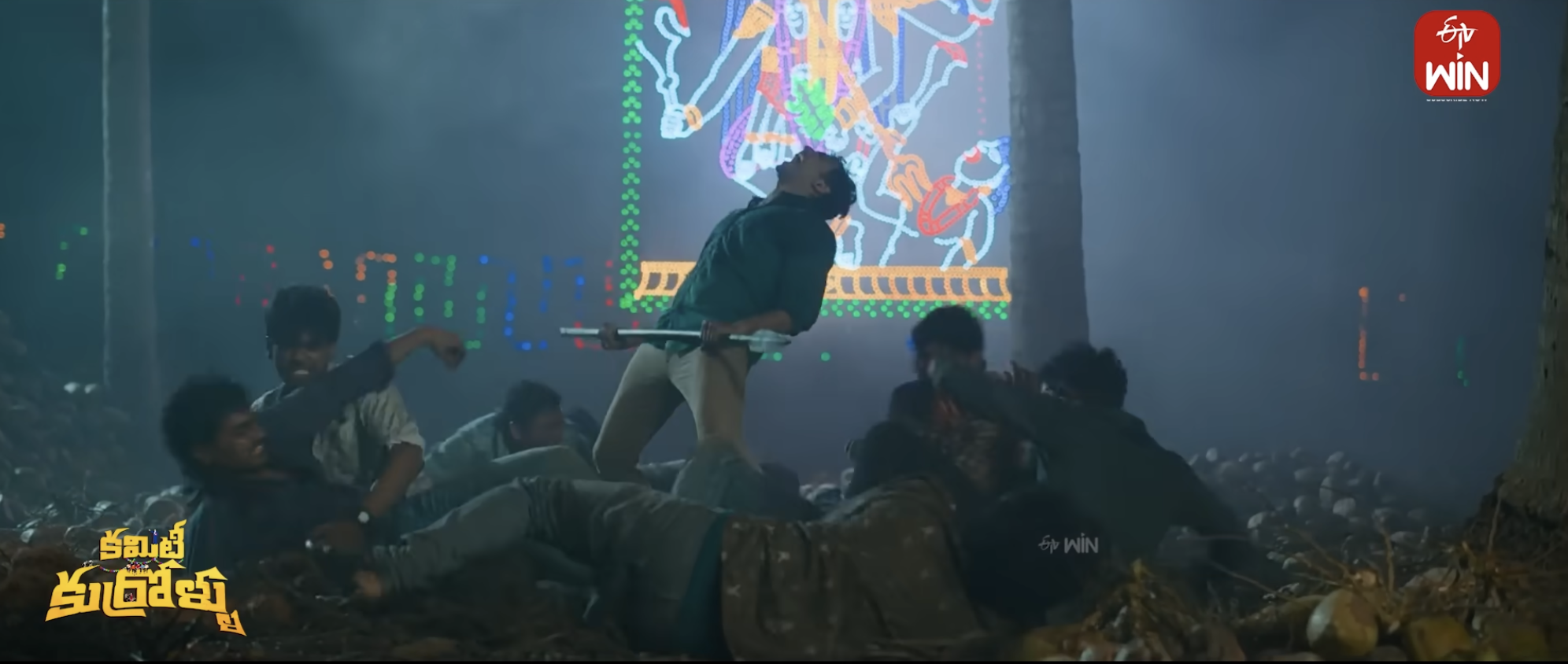
The nostalgia sequences—the childhood banter, the first crushes, the village atmosphere—establish emotional stakes that carry through to the present-day resolution. The 90s kids in the audience, in particular, found plenty to connect with.
3. The No-Star Gamble
Releasing a theatrical film with no recognizable faces in Tollywood is a significant commercial risk. Star power typically drives opening weekends. Producers and distributors understand this math well.
Niharika Konidela, the producer, acknowledged this in interviews: "I told him that the business would be affected if all the artists were newbies." Director Vamsi's response was to let the script speak for itself.
What makes Niharika's decision interesting is her background. She comes from Telugu cinema's most prominent film family. She had access to star power yet made a deliberate choice to back newcomers instead.
"Despite not being well-versed in Godavari traditions, language, or culture," she said in an interview, "I saw myself in those 11 newcomers. It was a gut feeling."
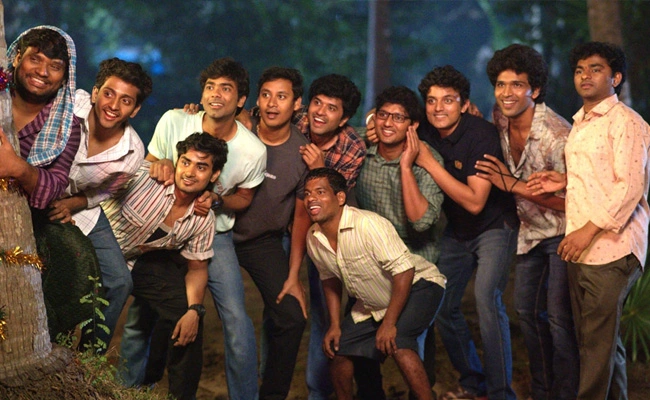
The commercial results validated the approach:
Opening Day: ₹1.63 crore worldwide—a solid number for a film without marquee names.
First Weekend: ₹3.69 crore gross, including ₹2.06 crore on day two, indicating positive word-of-mouth.
After Two Weeks: ₹15.6 crore worldwide gross. The makers added screens in the third week—an uncommon move for a small film.
Final Run: ₹18.5 crore theatrical + ₹6 crore non-theatrical = ₹24.5 crore total against a ₹9 crore budget.
One telling statistic: the third week collected more than the second. This pattern typically indicates that audiences are responding to word-of-mouth rather than marketing—people telling friends, families making group plans to watch together.
4. The Role of Music
Composer Anudeep Dev—known for his work on the Pan-India hit Hanu-Man (2024)—created a soundtrack that carried significant narrative weight in Committee Kurrollu.
Songs like "Aa Rojulu Malli Raavu" and "Prema Gaaradi" generated buzz before release. "Aa Rojulu Malli Raavu" is a personal favorite—it captures that particular ache of looking back at simpler times, and it's been on my playlist since. "Sandadi Sandadi," the Jathara song, captured the festival atmosphere and became a pre-release talking point.
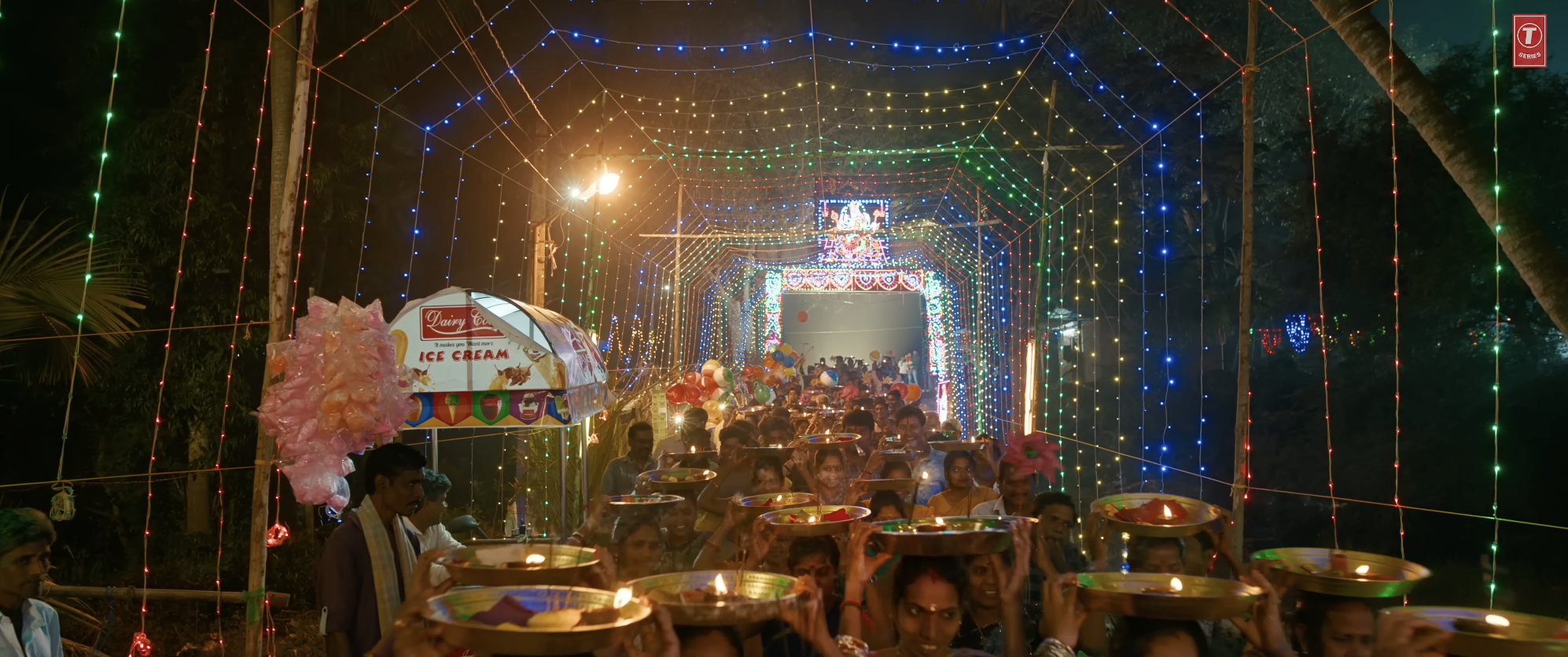
When Niharika first heard the script, the music had already been composed—Vamsi narrated with the songs playing, which reportedly influenced her decision to produce.
In a film without star recognition, the music served as the familiar element—something audiences could latch onto before they knew the faces on screen. It bridged the nostalgia of the 90s sequences with the present-day storyline, creating continuity across the three timelines.
Cinematographer Edurolu Raju's work on the Godavari locations and Jathara sequences added texture. The film was shot in Amalapuram and surrounding villages rather than studios, which lent authenticity to the setting. As Niharika put it: "The music by Anudeep is the heart of this film—his songs and background score are phenomenal and a major strength of the movie."
The Takeaway
Committee Kurrollu is worth studying because it succeeded commercially while taking an unconventional path. No stars. Eleven leads. A debutant director. A ₹9 crore budget in an industry increasingly dominated by ₹100+ crore productions.
The lesson isn't that star power doesn't matter. It's that star power can be compensated for—with the right script, the right music, regional authenticity, and organic word-of-mouth. The film's third-week growth over its second week demonstrates that audiences will show up for content they connect with.
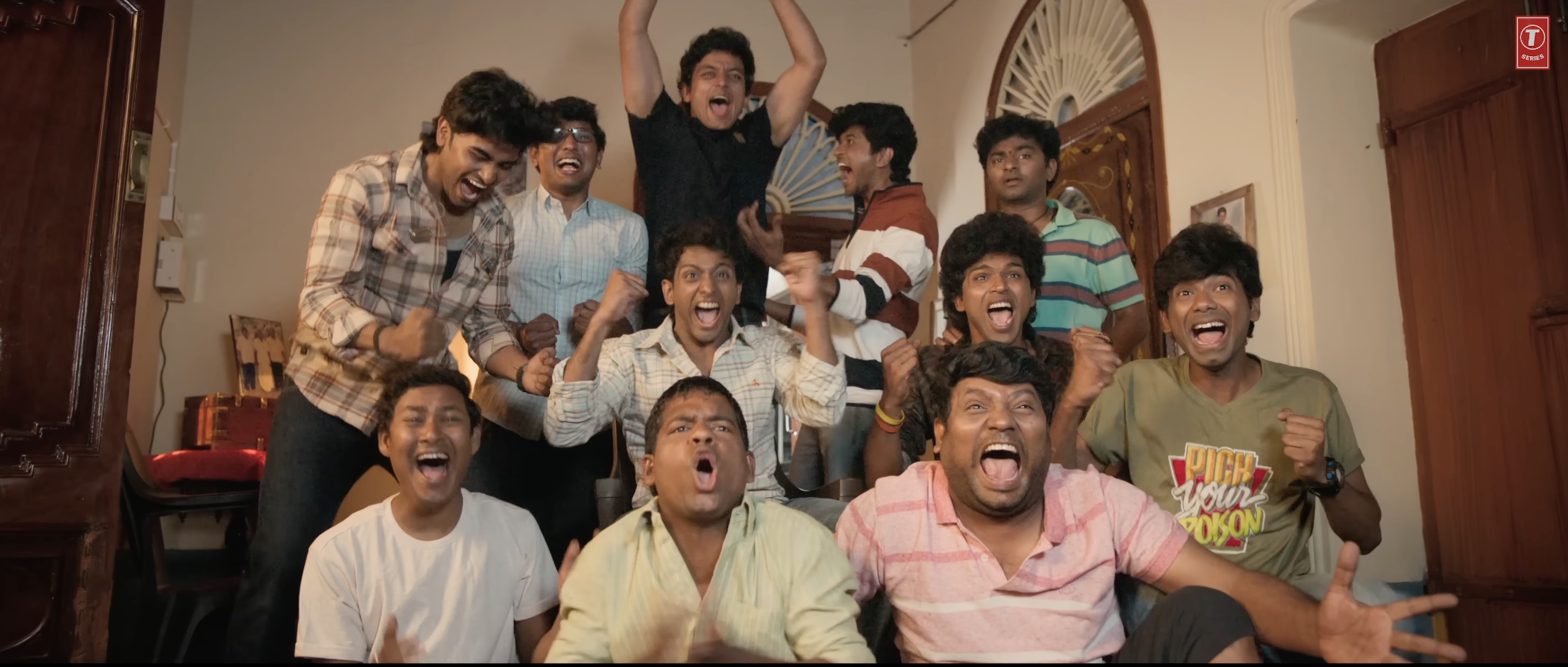
For filmmakers, the question worth asking isn't just "who will play the lead?" It's whether the story has enough emotional truth to generate the kind of audience response that sustains a theatrical run. Committee Kurrollu suggests that under the right circumstances, that approach can work.
As Niharika observed: "If someone enters the film industry simply because they have a legacy, they won't succeed. Cinema requires passion and a genuine love for the craft."
She had the legacy. She bet on the craft. The numbers suggest it was the right call.